Costa del Sol: Sun, Sea, and Authentic Andalusian Charm
The Costa del Sol, Spain’s stunning southern coastline. Imagine, sun drenched golden beaches, charming whitewashed villages, and a seafood/tapas style culinary scene all at your fingertips. We asked ourselves, could this be a “Blue Zone” place we would want to invest in for retirement? We were excited to discover what this region of Spain had to offer. This was not our first trip to Spain but it was our first time in the southern region.
The coastline is peppered with a variety of beachside towns and we needed to dig deep into where exactly we wanted to explore. We read that it was a mix between laid back fishing villages to family friendly promenades to flashy marinas, each having its own vibe. After a lot of research we decided to start in Malaga and build a 16 day excursion from there. This would give us an opportunity to explore the coastal villages both east and west of Malaga. Note: we rented a car for 13 of the days as this is our prefered style of travel. You can easily get around the coastline through the bus system but we prefer to travel on our own schedule. I always get an international drivers license prior to our visits through AAA. It is easy and the cost was under $40.00 US.
Our itinerary included four nights in Malaga, four nights in Nerja, day trip to Frigiliana, three nights in Benalmadena, four nights in Estepona, a day trip to Caminito del Rey and Rhonda and one last night in Malaga. This allowed us to drop the car rental back off, eat more tapas and, take an evening stoll. The trip did not feel rushed and allowed time to embed ourselves into the cultural scenes.
We love to eat so let’s start with the tapas and food scene. The food here is an experience in itself. As you may our may not know, the Costa del Sol is renowned for its seafood, and it was often caught just hours before it appears on our plates.
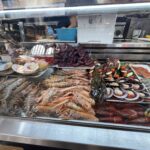
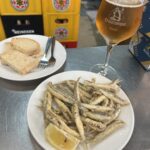
Beachfront chiringuitos (seaside restaurants) are everywhere and they specialized in sardines skewered and grilled over open fires. We also enjoyed delicacies like fried anchovies, red prawns, and grilled octopus. Here is a quick peek of some of the seafoods we enjoyed in those chiringuitos.
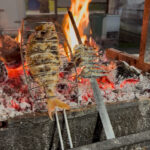
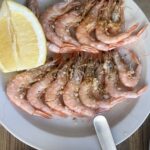
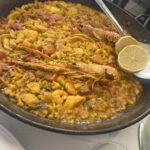
MALAGA
Flying into Malaga was seamless and we transferred to the city via their local bus system. It was easy getting into town and starting off the trip like the locals do, using public transportation. I have dicovered that the public transportation in Europe’s bigger cities are accessable and easy to navigate. Google Maps certainly helps telling you exactly where to go and what bus to get onto.
In terms of where we stayed in Malaga, we researched a one bedroom apartment that was centrally located in the old town. This location allowed us easily access to all the cities attractions, restaurants, beaches and promenades. There is an abundence of botique hotels, large hotels with great rooftop bars, and apartments to choose from.
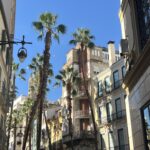
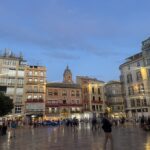
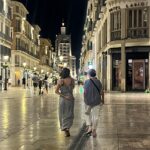
We felt like Malaga had a way of pulling you in slowly. We wandering through a maze of narrow cobblestone streets and I was mezmerized by the variety of elegant shops, tapas restaurants, bars, pastry shops and stunning architecture. No plan just walk.
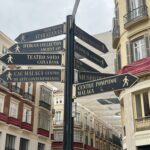
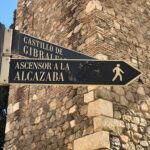
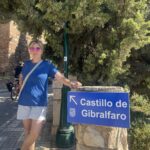
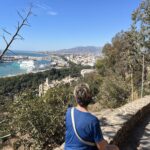
One morning we walked up the Gibralfaro Hill as this takes you to the Gibralfaro Castle. There are well posted signs for easy navigation as you can see in my photo below. The hike up allows for views that stretch over tiled rooftops, a stunning landscape and views to the sea. Note: there are vendors along the walk up, selling water and trinkets but I suggest you just keep walking. I heard people regretting their dealings with them.
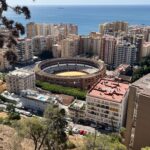
While standing at the top of the hill and viewing back down at street level, the bullring stood as a reminder of the city’s traditions and iconic cultural landmark. In the distance the port, which links the city to the mediterranean, was lined with maginificant yatchs, cafes and a stunning white long pergola that offered shade. We would stroll that eventually.
While standing at the top of the hill we also noticed that there was another route half way down. It took us to The Parque de Málaga. That was perfect for enjoying lush palm trees, exotic plants, fountains, sculptures and shade.
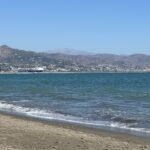
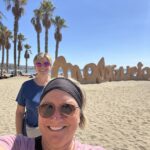
Just beyond the Parque de Málaga and, across the street, we found the beautiful beach, Playa de la Malagueta. The clear calm waters and golden sand was exactly what we read about. I was shocked that it was September and the beach was as populated as it was.
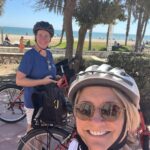
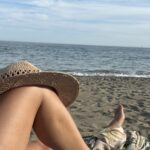
In terms of play, we do a lot of that but one day in particular we rented bikes and biked the beachside bike trails. The sea air was so good for our souls. We took our time and dipped into the mediterranean, sun bathe and stoped for bites/drinks along the way.







By now you know we enjoy a good drink and are big fans of trying the local spirits. We discovered that Sangria was everywhere and was a popular choice. They also offered a drink new to us called: Tinto de Verano, which was red wine and lemon soda, it was also very refreshing.
On a few occasions I ordered a Gin and Tonic because they served it in large round glass, with a nice amount of ice. They called it “Copa de Balon”. The large round glass really helped enhanced the aromas of the drink and went down easily.
Spanish wines are one of our favorites so we were super curious about that selection as well. Wandering like we do, we found a great little bar/restaurant that offered scruptious tapas and the waiter shared a lot of information with us regarding the wine making and history. I hightly recommend a visit to this place:
https://www.descorchemalaga.com/
The Costa del Sol region is known for its Malaga sweet wines called Sherries. Vermouth (Vermut) is also well know and has apparently found its way back into daily life. Visit this spot:
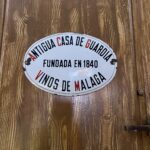
https://antiguacasadeguardia.com
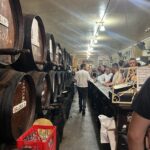
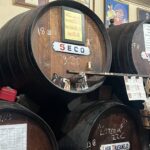
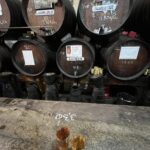
This is the city’s oldest wine bar where small glasses are poured straight from wooden barrels and tallied in chalk on the bar. It was so fun to experience. I read that it was unchanged since the 1800s. It’s the kind of place where history isn’t explained it’s tasted and we enjoyed that as you can see below.

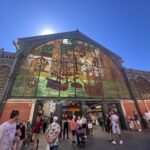
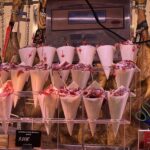
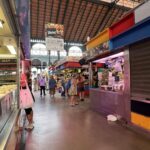
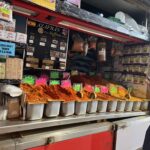
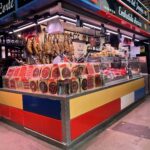
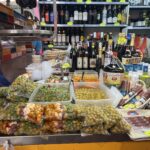
Another one of our FAVORITE thing to do is walk through a food market. Remember we are fans of doing what the locals do and taking home flavors of the region. The Mercado de Atarazanas offers this and so much more. We can appreciate the way the food stalls worked. It is super fun because you just step up, order what looks good. The key is to not overthink it. Observe from the side if you are not sure what to do and follow a locals lead. Make sure a cold beer finds its way into your hands, along with a cone of Ibérico pork. The vendors let you sample their products prior to purchasing. It’s a good place to trust the region and its specialties.
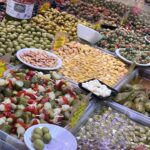
We snagged a nice selection of olives, veggies and iberico hams to have for our car rides and picnics. We also purchased spices at the market to take home. We will appreciate the flavors back home and let it mentally bring us back.



List of Places to Eat, Drink, Play.
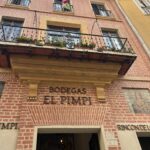
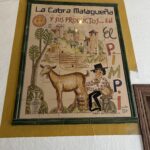
It was a bit touristy but with good reason. There is a lot of history here and a lot of famous people visiting. We sat at the bar on the backside of the restaurant and enjoyed lite tapas and drinks.
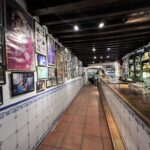


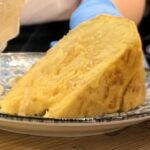
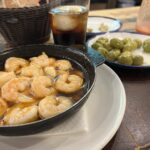
There are so many great places to select from. We did our research and tried to stay more local focused BUT you are in Old Town with a million restaurants so here is our list:
Breakfast & Coffee (Spaniards enjoy their coffee and take it serious and in many styles- Cafe con leche, Cortado, Cafe solo, Cafe americano, cafe manchado).
Next Level Speciality Coffee, The Lab by Next Level, Mala Leche-Coffee & Bakery, De Nata- Fabrica de Pasteis de Nata, Casa Aranda (chocolate & churros)
Lunch & Dinners:
Mercado de Atarazanas is great for lunch. One of our favorite places for dinner was Meson Iberico we ate there twice. Next up, Taberna Casa Lola. This is just a few along with what I mentioned earlier in the blog.
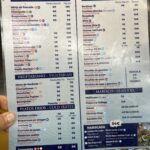
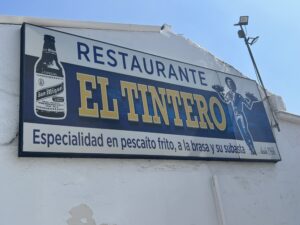
If you do not have a car, take the local bus, roughly a 35 minute ride, or a taxi 15 minutes, to one of the most unique and vibrant restaurants/chiringuito called El Tintero. This place was wild fun. Waiters are carrying prepared dishes around yelling what they are serving and offering them to you as they pass by. Take the plate or don’t, eat fast or slow, this is all part of the experience. It can be overwhelming at first so I appreciated that we stepped aside for a few to watch all the action and what was being served. Grilled octopus and fish, scallops, shrimp, fresh fruits, salads and so much more. There are QR scanning codes everywhere for a menu but I am old school and prefer a paper menu, preferably in english, if I have not studied the language enough. (Photographing the menu using google translate also helps).
This is the iconic sign: Find it and eat there.
PLAY:
La Casa de Alba – this was a display of the oldest and most stunning personal collection of artwork from the most noble and distinguished families in the history of Spain. Paintings, Sculptures, tapestries and decorative art were on full display and I am so glad we experienced that part of history.
Of course, a visit to Málaga wouldn’t be complete without seeing the incredible Picasso Museum. While Picasso’s work is the main draw, the museum also features pieces by other artists, including one of my favorites, Óscar Domínguez. His work completely caught our attention. We found ourselves lingering longer than expected, genuinely in awe of the range and beauty of the art on display.
Biking & Car Rental – Highly recommend: Prima Rent a Car and Bike Malaga Center – Sophia was so helpful and they spoke great English. Both the car rental and the bike rentals we an easy process. We rented the car for 13 days and had zero issues.
Next up was Nerja
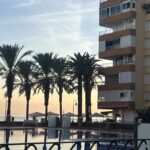
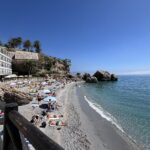
We stayed just outside Nerja’s main area in a simple apartment and decided to spend a few days pretending we were locals instead of tourists. One day was dedicated to wandering the village itself with no real plan, just following the streets and see where it would take us. We were in awe of the sea views, especially from the Balcón de Europa. It’s one of those spots that actually lives up to the hype we read about.
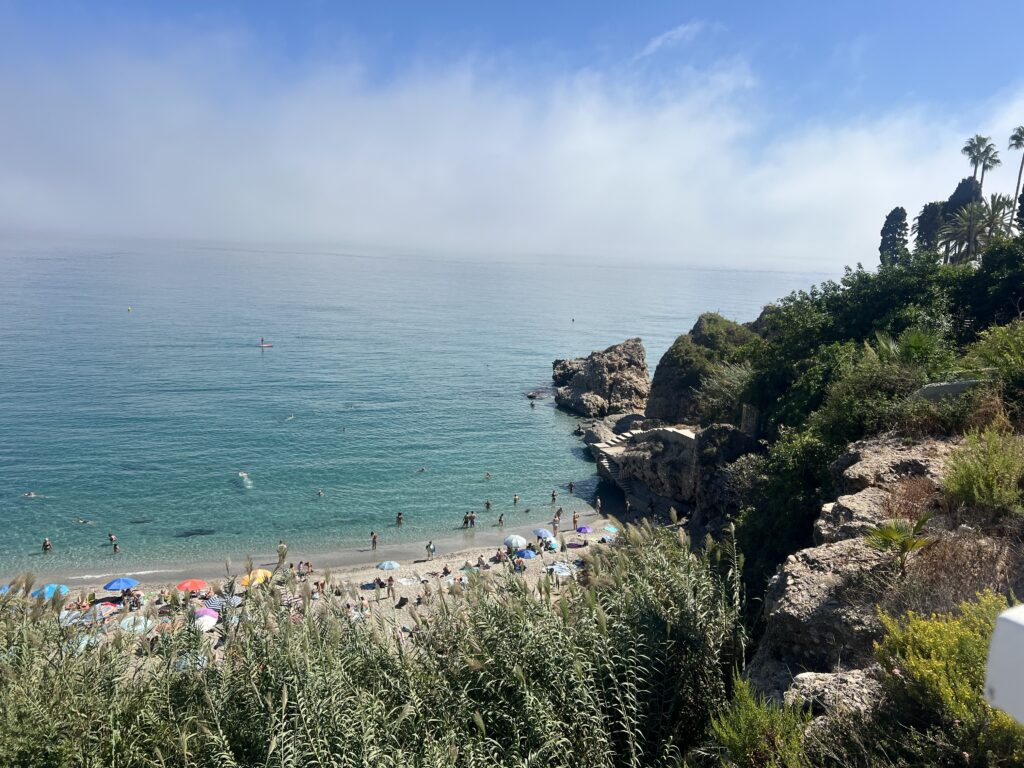
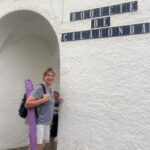
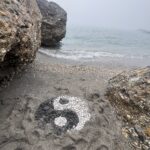
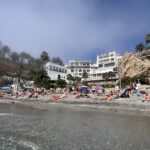
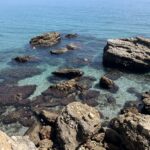
The main square seemed elegant and polished. From that location we traveled down a lot of stairs to the Playa de la Calahonda. Since we packed our swim suites and a towel in our back pack, we plopped ourselves down and enjoyed this stunning beach surrounded by cliffs and crystal clear waters. The water was chilly but once you were in it was fine. Just do it.


Frigiliana
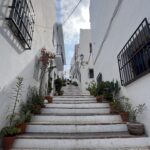
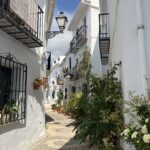
A day trip that was well worth it. Parking was challenging but I always seem to find a spot, call me lucky. We walked the entire Moorish old quarter, winding through narrow, decorative streets lined with some of the most impressive stone work I have ever seen. I looked at it as stunning street art.
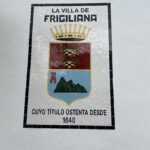
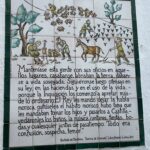
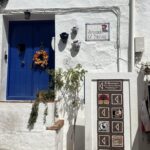
There were decorative mosiac information boards that told the story of where you where standing and why it matters. I used google translate to photograph them and understand what they said. We tried to visit the famous sugar cane factory, Nuestra Senora del Carmen, as I read it was the only place in Europe still producing traditional sugar cane honey but it was closed to the tourists. Instead, I found the giftshop and purchased a few travel packs to bring home with me. I love it drizzled on the eggplant tapas dishes that we had. I also purchased some beautiful tiles with our initials as it will always bring back the beautiful memories of this southern spanish town.
Here are some suggestions: wear good shoes and bring the energy, because those village walks and hills definitely make you earn the views.




Estepona- (My favorite town)
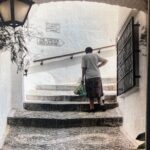
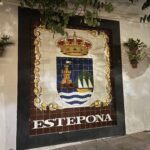
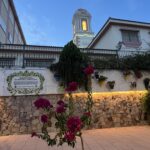
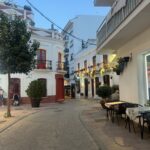
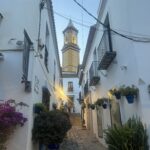
Estepona has a bit of a split personality in the best possible way. The old town feels like the postcard version of Andalusia like narrow streets lined with flower pots, small squares, and cafés that seem made for lingering over coffee. Just a short walk away, especially toward the east side, the vibe shifts into something more everyday and local, where you see people going about their routines, neighborhood bakeries opening early, and restaurants that feel less polished but wonderfully authentic.
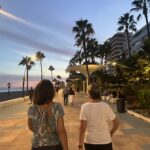
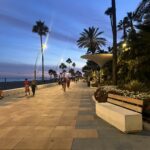
One of our favorite parts of the town was the long seaside promenade. It’s the kind of place that naturally becomes part of your day or perfect for an early morning walk/ jog while the town wakes up, or an evening stroll at sunset when the sky turns soft over the Mediterranean.
We really enjoyed Estepona as it has the charm of a traditional Andalusian town, but without the intensity or flash of some of the larger Costa del Sol resorts. It definitely felt more relaxed, walkable, and a little more lived-in.
The food scene also felt slightly different from nearby Málaga. While Málaga has a bigger city energy and a more diverse, modern dining scene, Estepona’s restaurants lean more toward classic Andalusian cooking — simple grilled seafood, tapas, and traditional dishes served in small neighborhood spots. It felt less about trendy dining and more about long, relaxed meals that reflect the slower rhythm of the town.
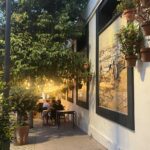
One of our favorite things about the “old town streets” were the colorful terracotta flower pots that were lined on the buildings. We saw a theme of each street having a different variety of terracotta pot color. They held geraniums, bougainvillea, jasmine, and roses.



Caminito del Rey (Day trip)
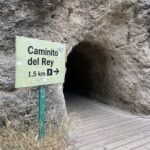
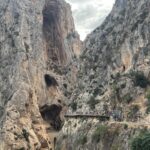
Walking along wooden planks bolted to the side of a towering gorge at Caminito del Rey turned out to be one of the most thrilling days of our trip.
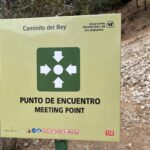
If you’re planning to go, the first thing to know is that you must reserve a spot in advance, and I highly recommend booking with a guide. Our guide made a huge difference because we learned the fascinating history of the walkway while we were actually walking it. They provide headsets so you can clearly hear the guide along the route, which is helpful since the group spreads out along the path.
The area can get crowded, so going early in the morning — like we did — is definitely the way to go. One thing that caught us off guard was the shuttle bus situation. The website explains that the transportation isn’t run by the park itself but by the nearby town, and honestly it felt a bit like herding cattle trying to get on the bus. It was a lot of pushing and shoving just to board, so I’d recommend showing up with a little patience and a flexible attitude. It wasn’t exactly the most relaxing start to the day.
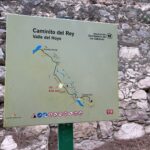
Once the bus drops you off, you’ll still have about a half-mile walk before reaching the main entrance to the trail. This is another reason to read the entire website carefully before you go, because it explains the logistics and expectations really well and will save you some confusion when you arrive.
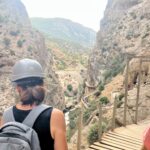
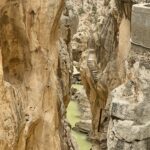
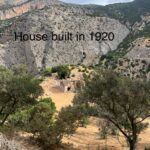
All that said, once we were actually on the trail, the experience was fantastic. Walking along the wooden boardwalks suspended along the walls of the gorge was both beautiful and a little thrilling at the same time. The views down into the canyon and across the rugged landscape were incredible, and it ended up being one of the more memorable adventures of the trip.
Ronda (side trip after Caminito del Rey)
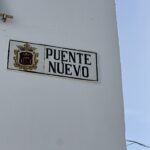
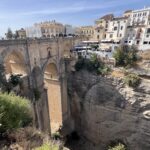
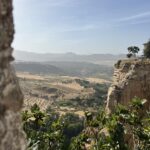
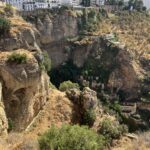
After the excitement of hiking the cliffs at Caminito del Rey, we drove up into the hills to visit Ronda. The town is famous for its dramatic setting above a deep gorge, and the views really are striking when you first approach the iconic Puente Nuevo connecting the two sides of town.
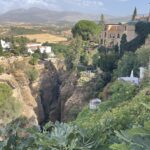
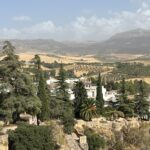
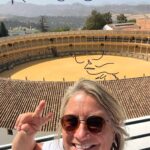
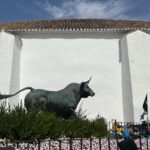
We spent some time wandering the streets and shops near the bridge, and taking in the views down into the canyon. The gorge itself is impressive, and there are a few viewpoints where you can really appreciate how dramatically the town sits above it. We managed to find a rooftop bar that looked directly down into the towns famous bull ring. (the yellow building on the corner with Ronda in white written on top of it).
That said, for us Ronda felt more like a pleasant stop than a highlight of the trip. Maybe we were a little worn out from the hike earlier in the day, or maybe we just didn’t dig deep enough into the town’s history and hidden corners. Still, it’s easy to see why people include it on their itinerary — the setting is unique, and if you’re already exploring the area, it’s a scenic place to spend a couple of hours stretching your legs and soaking in the views






Wrapping up the trip.
One of the things we loved most about exploring the Costa del Sol was the simple rhythm of wandering from town to town and noticing the subtle differences between them. A morning stroll through the flower-lined streets of Estepona felt completely different from the seaside views in Nerja or the hilltop charm of Frigiliana. Along the way we found ourselves doing a little bit of everything as you saw. Between biking coastal paths, stretching out on the beach, hiking dramatic landscapes like Caminito del Rey, or simply wandering through village streets with no real plan, that is what it was all about. What stood out just as much as the scenery were the people. Everywhere we went we were met with warmth, patience, and a relaxed pace that made it easy to slow down and enjoy the moment.
We ended the trip right where we began, back in Málaga for our final night. It felt fitting to return to the same little restaurant we had discovered on our second night at the start of the trip. It was the kind of place that already felt familiar by the time we sat down again.
Trips like this remind us that travel isn’t one-size-fits-all. This was simply our experience, and everyone explores a place differently. We share it in the hope that a few of our moments might help guide you toward creating your own.
If this trip taught us anything, it’s that the Costa del Sol still has more stories waiting for us — and we can’t wait to return and find them.
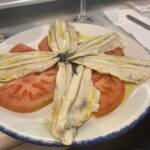
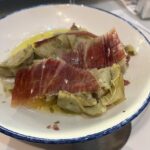
PS. Our favorite restaurant was in Malaga: Meson Iberia and this is what we ate: